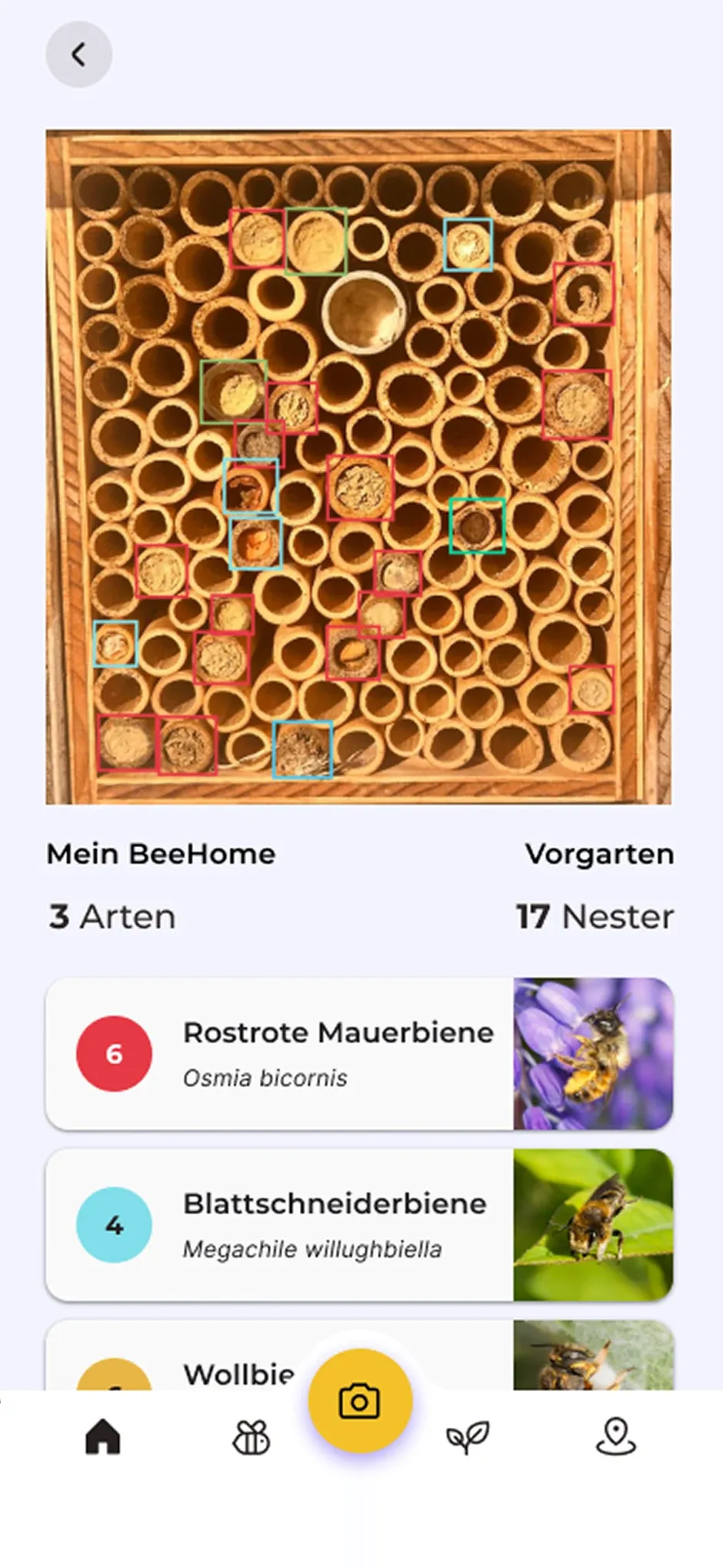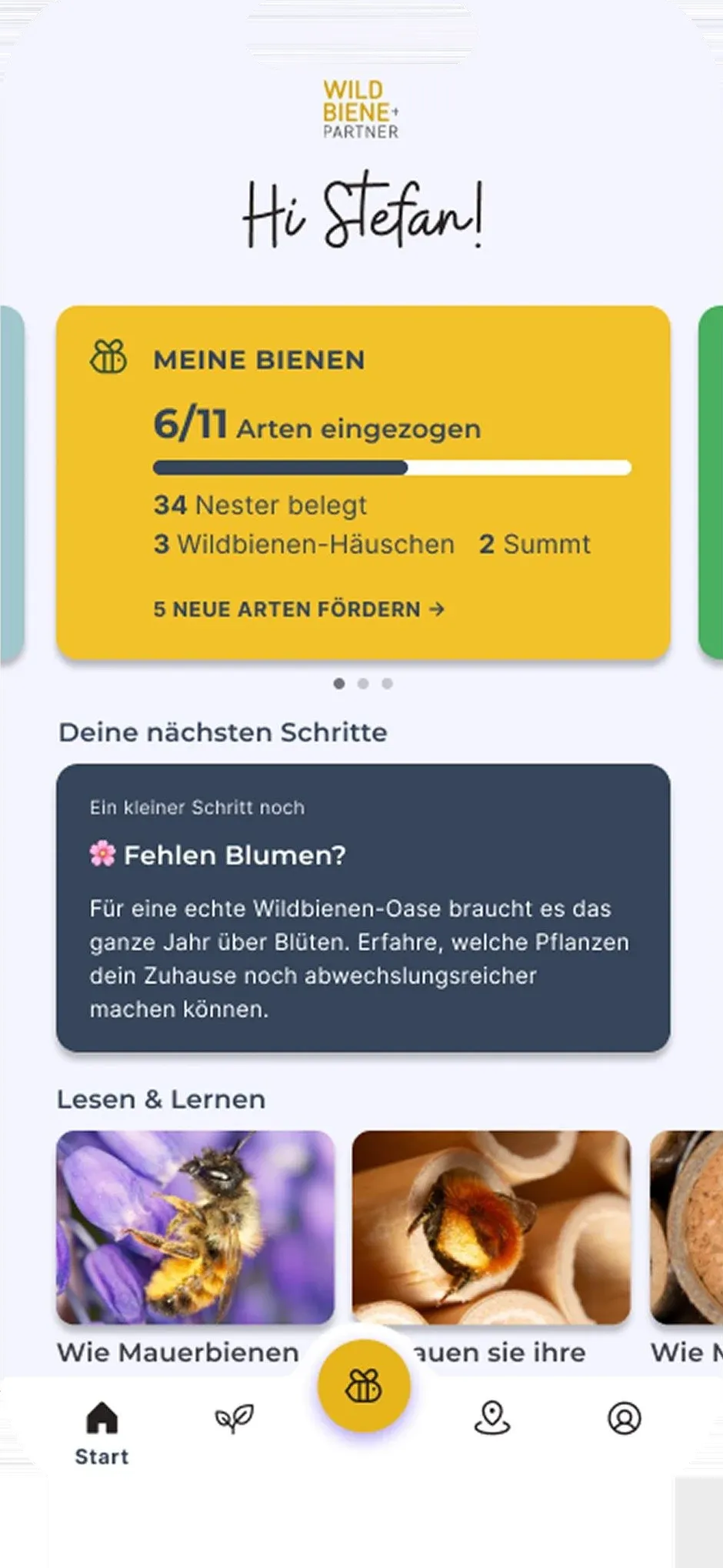



Mobile product engineering: from prototype to release
We begin by breaking down user journeys and defining core screen flows. We build an interactive prototype in Figma and validate it on physical devices with representative target users. Testing assumptions early eliminates structural usability flaws before programming starts, keeping iteration costs low.
Once the prototype is approved, development proceeds in iterative sprints. Every one to two weeks, we distribute test builds via Apple TestFlight and Google Play internal testing tracks. This cadence allows you to verify behavior, responsiveness, and edge cases across varied device models and operating system versions in real time.
Resilient backend, secure APIs, and offline-first architecture
A high-performing mobile app depends on a rock-solid server foundation. We build lean REST or GraphQL APIs with payload compression and cursor pagination to minimize data usage and conserve battery life.
For applications used by field personnel, we implement an offline-first architecture. All records and transactions persist immediately to an encrypted local database on the device (such as SQLite or Isar). When network connectivity resumes, background synchronization workers reconcile changes using deterministic conflict-resolution algorithms.
App Store, Google Play compliance, and post-launch SLA
Store submission involves a rigorous technical and compliance audit. We handle every requirement: Apple Privacy Nutrition Labels, Google Play Data Safety forms, App Tracking Transparency (ATT) implementations, and runtime permission audits.
After production deployment, we wire in crash reporting (Firebase Crashlytics, Sentry) and telemetry. We monitor API latency, crash-free user rates, and session metrics, providing ongoing support and feature updates under an agreed SLA.