

The European Accessibility Act in Poland: does your online shop have to be accessible
Since 28 June 2025, online shops and services in Poland must be digitally accessible. Who the law covers, who is exempt and where to start fixing your site.
 Maksymilian JackowskiPublished 4 min read
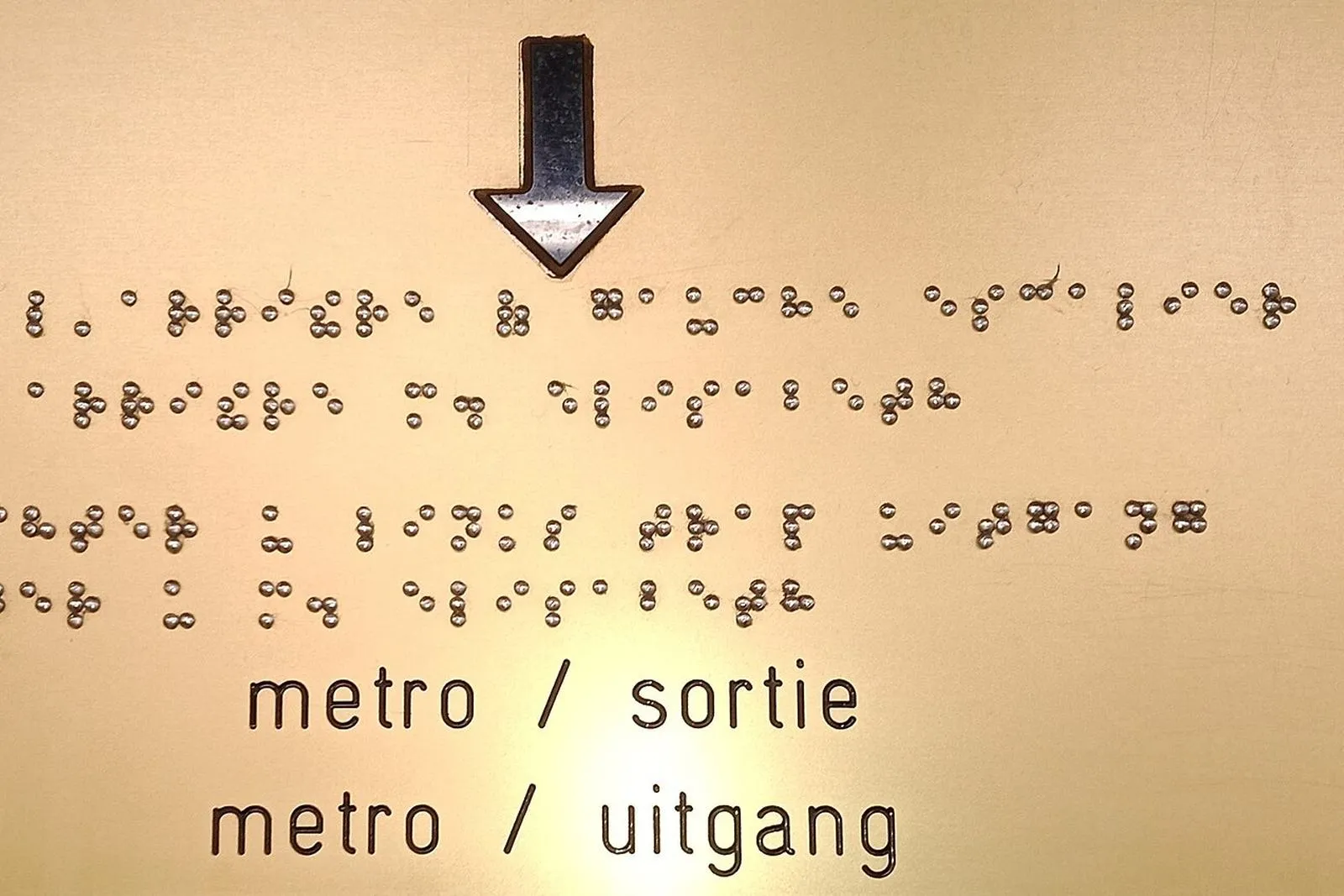
If you sell to consumers online and you are not a microenterprise, the answer is yes: your shop must be digitally accessible. The obligation comes from Poland’s Accessibility Act, in force since 28 June 2025, which implements the EU directive known as the European Accessibility Act. Every EU country has its own version, so the same logic applies across the Union. In practice it means a blind person, someone using only a keyboard and someone who zooms the text must all be able to buy from you.
Who the law covers
According to Poland’s Ministry of Digital Affairs, e-commerce services are all services provided at a distance through websites and mobile apps, at a consumer’s individual request, to conclude a contract. That includes selling clothes, cosmetics and medicines, as well as insurance, health services and any other product sold online.
The law also covers retail banking, e-books, transport services and some devices such as ATMs and payment terminals.
Who is exempt
The law does not apply to services provided by a microenterprise. That is a company which, in one of its last two financial years:
- employed fewer than 10 people on average,
- and had net turnover or a balance sheet total of up to EUR 2 million.
There are a few other exceptions, for example maps, if you present address data in an accessible way, and content you do not create, fund or control.
Watch out for one trap: the exemption follows the company, not the website. If you have 8 people today and 12 next year, the obligation arrives with your growth. Building accessibly from the start is cheaper than reworking a shop under pressure.
What an “accessible shop” means in practice
The technical requirements rest on WCAG, the standard that describes how to build pages for all users. The most common problems in shops are:
| Problem | Who it blocks | How to fix it |
|---|---|---|
| Product photos without alt text | blind people using screen readers | a short description in the alt attribute |
| Grey text on a white background | people with low vision, anyone in sunlight | contrast of at least 4.5:1 for text |
| Cart and form that only work with a mouse | people with motor disabilities | full keyboard support and a visible focus |
| Form errors shown only in colour | people who cannot tell colours apart | a text message next to the field |
| Pop-ups that cannot be closed | screen readers and keyboard users | a close button and Escape key support |
| A field with only placeholder text, no label | screen readers, older people | a permanent label above the field |
Where to start
- Check whether the law covers you. Count your headcount and turnover. If you are close to the threshold, treat accessibility as next year’s plan.
- Run a quick test. Go through the whole purchase with the keyboard only: from a product page, through the cart, to payment. Wherever you get stuck, you have found the first problem.
- Run an automated audit. Tools such as axe or Lighthouse in your browser catch part of the errors, such as missing alt text and weak contrast. They will not catch everything, but they are a good start.
- Fix what blocks a purchase. Cart, forms and payment first, the rest of the site after.
- Describe how your service meets the requirements. The law requires information about the accessibility of the service, usually on the website or in the terms.
Accessibility is also SEO and sales
Making a site accessible is not just a cost. Image descriptions, logical headings and clear labels also help Google’s crawlers and AI assistants understand the page. Strong contrast and large buttons make buying on a phone easier for every customer, not only for people with disabilities.
This website runs automated tests against WCAG 2.2 level AA before every release, so accessibility errors do not reach production.
Summary
The European Accessibility Act, in Poland’s version, covers online shops and services, except services provided by microenterprises. Start with a keyboard-only purchase test and an automated audit, then fix what blocks a purchase. An accessible site sells better and does better in search.
See how we build accessible websites and shops, or compare what to build a company website on.
Sources
- Act of 26 April 2024 on ensuring compliance with accessibility requirements for certain products and services (Dz.U. 2024 item 731, in Polish)
- Polish Accessibility Act: e-commerce services (gov.pl, in Polish)
- Directive (EU) 2019/882 on the accessibility requirements for products and services
- Web Content Accessibility Guidelines (WCAG) 2.2, W3C
Want to run the numbers for your business?
Describe your situation in a few sentences. We will reply with a concrete proposal and a price range.